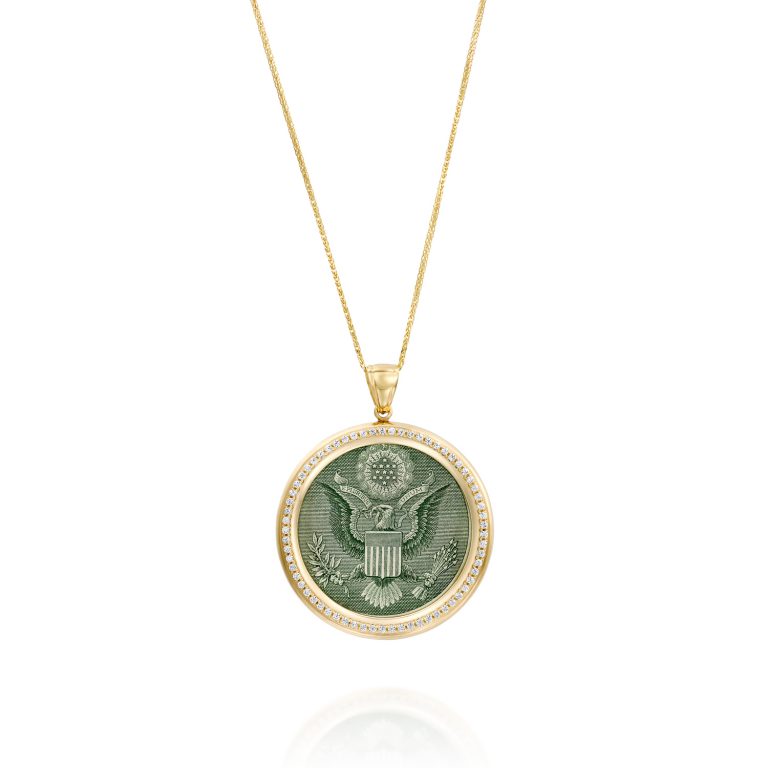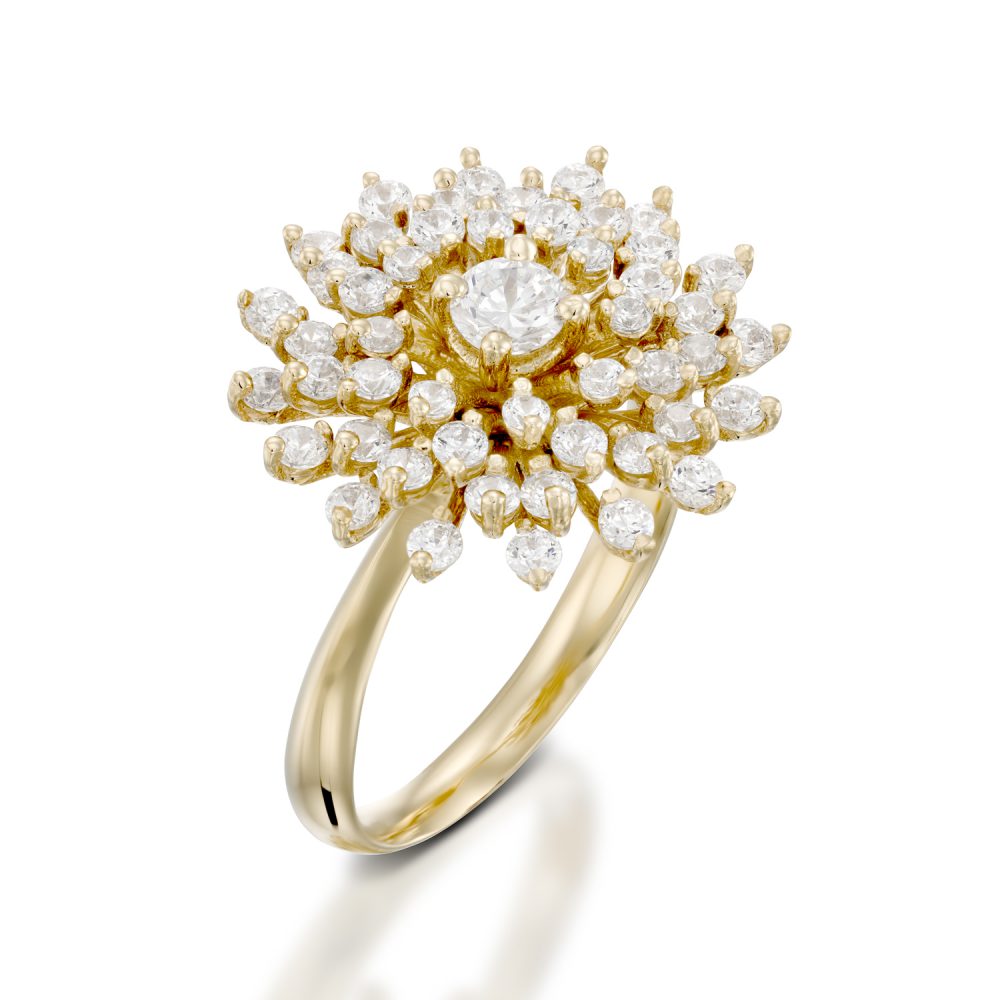
A quality gold piece, with proper care, will remain beautiful for decades. You don’t need to be a jeweler and you don’t need expensive chemicals, just a few minutes of attention, and your jewelry will maintain its shine, color, and appearance for many years. Here’s the complete guide.
Daily Cleaning Routine
Gentle, regular cleaning is the secret to keeping your jewelry brilliant over time. For gold jewelry without stones (such as a chain or bracelet), here’s a simple home method that works beautifully:
- Fill a bowl with lukewarm water (not boiling) and add a teaspoon of mild dish soap, without bleach or ammonia.
- Soak the jewelry for 15–20 minutes.
- Gently scrub with a soft toothbrush, especially in intricate areas like between links.
- Rinse thoroughly with clean water and dry with a soft microfiber cloth.
Recommended frequency: Once a week for daily-wear jewelry, and once a month for pieces worn less often.
What to Avoid While Wearing
Most damage to gold jewelry comes from exposure to everyday chemicals. The golden rule: Your gold jewelry should be the last thing you put on before leaving home, and the first thing you remove when you return. This way it won’t be exposed to makeup, perfume, lotions, or deodorant. Avoid exposure to:
- Shower or bath: soaps and creams reduce shine.
- Swimming in pools or the sea: chlorine and salt are aggressive to gold.
- Housework, cleaning, laundry, and gardening.
- Makeup and perfume, perfume oils such as oud are especially likely to darken gold.
- Intense physical activity: sweat, friction, and knocks to the jewelry.
How to Store Jewelry Properly
Improper storage causes scratches, deformation, and loss of shine. The most common mistake is tossing all your jewelry into one box, where the pieces rub against each other, chains tangle, and rings get scratched. The principle is simple: Each piece separately, in a dry environment.
- Use a lined jewelry box with separate compartments, or a soft pouch for each item.
- Hang or store chains separately to prevent tangling.
- Keep jewelry with stones away from other items.
- Store in a dry place, away from moisture and heat, never in the bathroom.
What to Do If a Chain Gets Tangled
Don’t try to pull: that’s the quickest way to break the chain. With a little patience and oil, any tangle can be undone:
- Place the chain on a flat, white surface (for clear visibility).
- Drop a bit of baby oil or olive oil on the tangled area.
- Use two thin pins to gently work the knot loose.
- When finished, clean off the oil with soap and water as explained above.
If the tangle is stubborn or the chain is particularly intricate, don’t risk it. Bring it to us and we’ll untangle it without breaking it.
The Jewelry Has Lost Its Shine: What to Do?
Pure gold doesn’t rust, but with daily contact it can develop a dulling film of skin oils, cosmetics, and sweat. This is completely reversible:
- At home: Standard cleaning with soap and lukewarm water may restore the shine.
- Professional improvement: Buffing and polishing at the workshop restores the jewelry to “like new” condition. We offer this service at a nominal price, especially worthwhile for valuable pieces or before special events.
Jewelry with Diamonds and Stones: Special Care
Lukewarm water is suitable for gold, but not always for stones. Diamonds, emeralds, sapphires, or topaz are sensitive to chemicals and temperature changes: it’s better to clean them gently and wipe with a soft, clean cloth, without prolonged soaking. A few rules:
- Check every few months that the stone is secure in its setting.
- Avoid exposure to harsh chemicals that could dissolve adhesive or dull the stone.
- Clean with a very soft brush, without scratching the metal around the stone.
- For soft and delicate stones (turquoise, amber, or pearls), professional cleaning by a jeweler once a year is preferable to home cleaning.
The Difference Between 14K and 18K in Care
The higher the gold percentage, the softer the jewelry and the more care it requires:
- 14K (58.5% gold): More resistant to scratches and suitable for daily wear: you can perform most activities with it.
- 18K (75% gold): Deeper golden color but softer. Recommended for special occasions or a gentler daily routine; remove it before physical activity.
Both types benefit from the same care routine, but 18K requires slightly more caution.
When to Bring for Professional Inspection
Periodic inspection by a jeweler can save a piece from being lost. It’s time for an inspection if:
- The chain clasp has become loose or difficult to close.
- A ring has started to “move” on the finger or has become tighter than usual.
- A stone has shifted or appears unstable in its setting.
- The gold has begun to darken in a specific area.
- Bracelet links have started to come apart, or the jewelry has become bent.
Don’t try to straighten or repair it yourself; a home fix often turns a small repair into a bigger one. We inspect your jewelry at no charge, and repairs are usually inexpensive when addressed promptly.
Four Golden Rules of Gold Jewelry Care
- Remove jewelry before showering, applying deodorant, and sleeping.
- Clean with lukewarm water and mild soap, without chemicals.
- Store in a box with compartments or in separate pouches.
- Contact a jeweler at the first sign of a problem.
Gold that is cared for keeps its color and shine for decades, and a piece in good condition can be handed on to the next generation.
Need Cleaning or Repair?
Bring your jewelry to our factory store in Kfar Chabad: we’ll inspect it at no charge and, if needed, clean, buff, or restore it. Sunday–Thursday 12:00–17:00, 29 Likutei Sichot Street, Kfar Chabad. To schedule: WhatsApp or 03-9601463.