Gold is gold, but not all of it looks the same. Yellow, white, and rose all start as pure gold; the difference is in the metals mixed into the alloy. Here is how the three compare, and how to choose between them.
On this page
- All gold is gold, so what’s the difference?
- Yellow gold: the timeless classic
- White gold: modern and sophisticated
- Rose gold: romantic and unique
- Which color suits your skin tone?
- Care considerations by color
All gold is gold, so what’s the difference?
Pure gold (24 karat) is always a warm yellow. The familiar golden color comes from nature itself. But pure gold is too soft for everyday jewelry: it deforms easily and scratches readily.
That is why, in real jewelry, pure gold is mixed with other metals to create an alloy. Which metal is added is what determines the final color:
Yellow
Gold + copper + silver
Keeps the natural hue of pure gold
White
Gold + palladium / nickel
+ rhodium plating
Rose
Gold + dominant copper
More copper = pinker
Yellow gold: the timeless classic
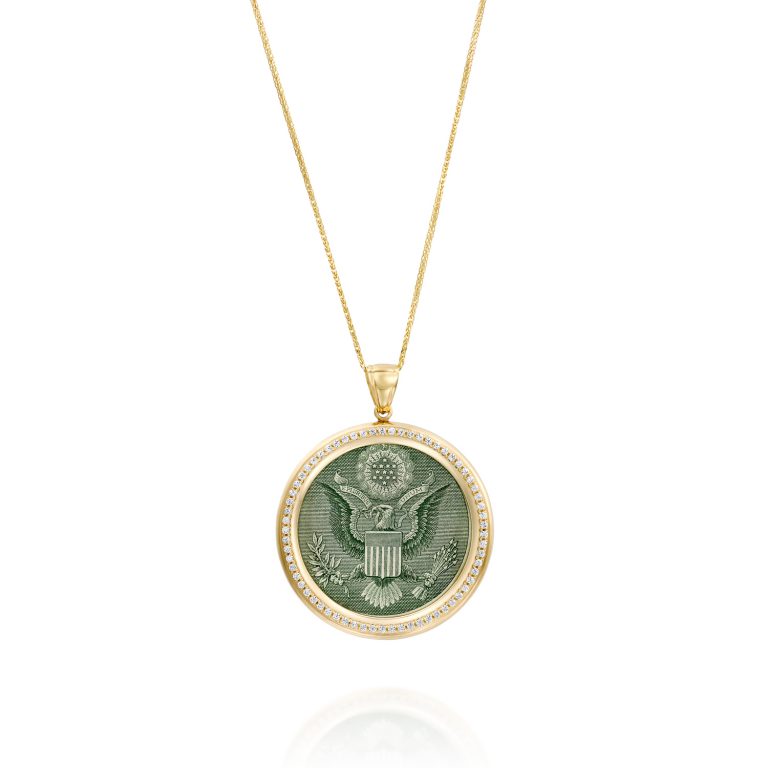
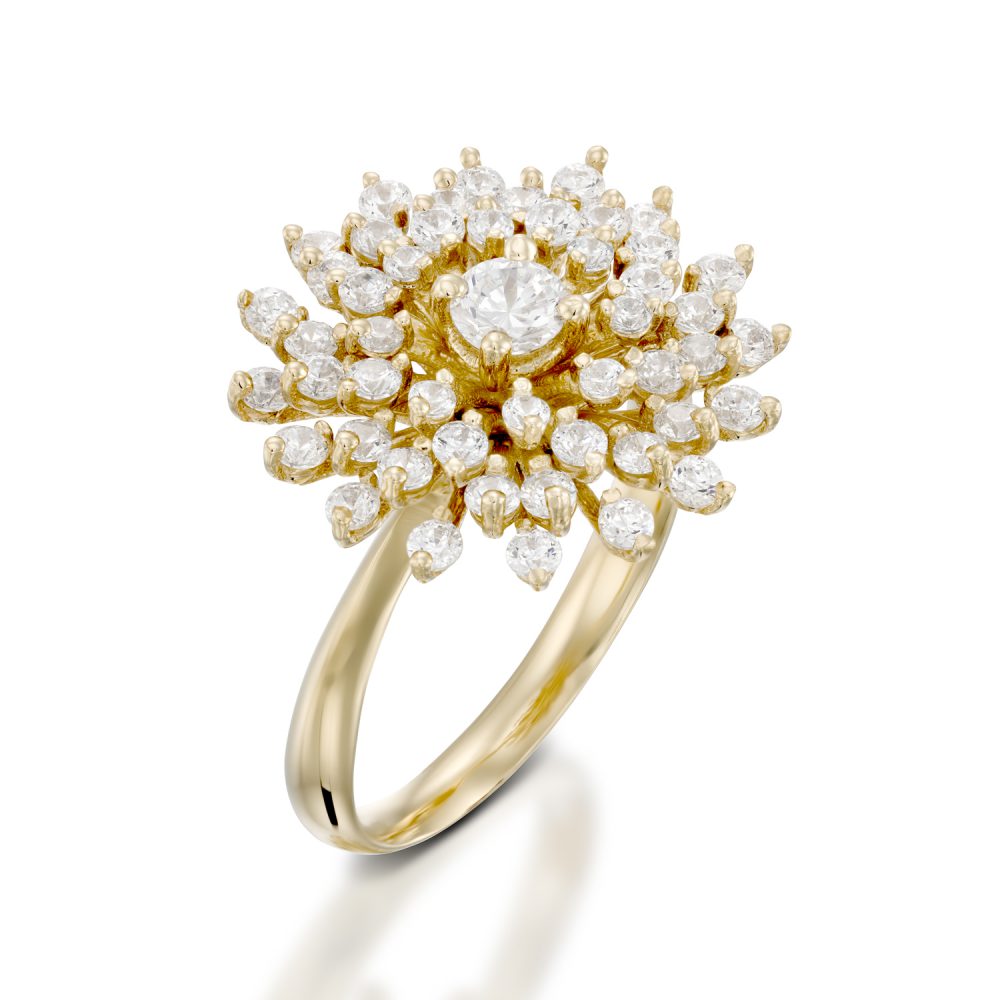
Yellow gold is the color most people picture when they think of gold. In 14K or 18K, it gives a warm, traditional look that has never depended on fashion.
Who it’s good for: those who love the classic, want a piece with a sense of tradition, or are looking to match other warm, golden tones.
Tip: the higher the karat (18K vs. 14K), the deeper and more yellow the color, but also the softer it is.
White gold: modern and sophisticated
White gold is real gold with a white-silver appearance. It is created by mixing gold with white metals (palladium, sometimes nickel) and is usually given a rhodium plating that lends it its brilliant white shine.
Who it’s good for: those looking for a contemporary, minimalist look. It is especially suited to diamond jewelry, since the white background highlights the stone, and pairs easily with platinum and silver.
Rose gold: romantic and unique
Rose gold went out of fashion in the 19th century and made a big comeback over the past decade. It is achieved by adding a larger amount of copper to the alloy, which gives it its romantic pinkish-brown hue.
Who it’s good for: those who want something less traditional and more romantic. It especially flatters fair or warm olive skin, and it stands out in any collection.
Which color suits your skin tone?
There are no hard rules, you can wear any color that makes you happy, but there are professional recommendations that work in most cases:
Professional tip: check the veins on the inside of your wrist. Green veins = warm skin, purple/blue veins = cool skin, veins in between the two tones = neutral skin.
Care considerations by color
Yellow gold: the most durable. Routine cleaning with soap and water is enough. It doesn’t lose color over the years.
White gold: requires rhodium replating every 1-3 years, depending on how often it’s worn. Without renewal it can start to show a slight yellowish tone.
Rose gold: very durable thanks to the copper. Over time it may deepen its pink hue slightly, which many see as a positive trait.
Want to see the colors with your own eyes?
Come to our factory store in Kfar Chabad. We have samples of all three colors, so you can try them on and decide. WhatsApp · 03-9601463